



Oil falls as Geopolitics Shift
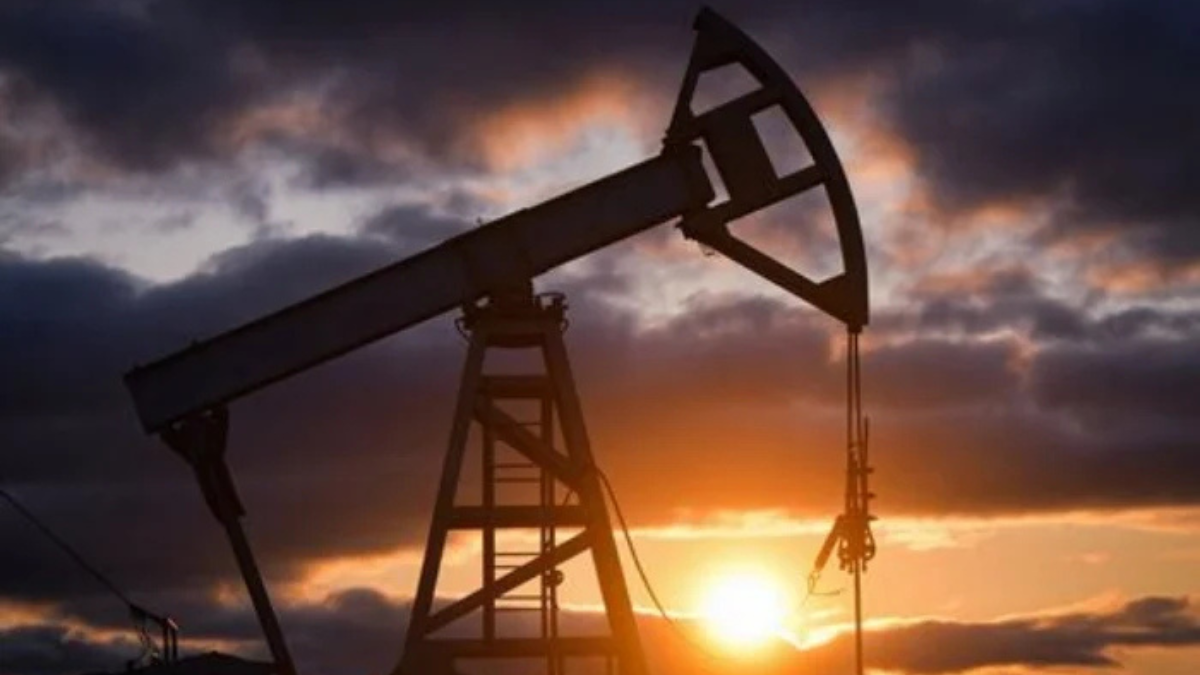
Market Reaction as Oil falls After Iran-Israel Pause
Oil falls sharply in early trading after Iran and Israel announced a halt to direct attacks following diplomatic pressure from the United States. According to Reuters, Brent crude dropped $1.14 to $93.11 per barrel, while U.S. West Texas Intermediate fell $1.30 to $90.00 per barrel.
The move came after a volatile session in which prices had initially surged as much as 5% due to renewed strikes and escalating regional tensions. However, as reports emerged that both sides had paused military operations, Oil falls became the dominant market theme as traders quickly unwound risk premiums.
Despite the sharp decline, analysts emphasized that the situation remains highly fragile. Oil falls in the short term reflected relief rather than conviction, with traders uncertain whether the ceasefire-like pause would hold.
Diplomatic Pressure and Trump’s Role in De-escalation
A key factor behind the sudden shift in sentiment was the reported involvement of U.S. President Donald Trump, who urged both Iran and Israel to “stop shooting” and avoid further escalation. This appeal appears to have contributed to the temporary halt in attacks.
However, even as Oil falls on easing tensions, both Tehran and Tel Aviv issued warnings that military action could resume if provoked. This conditional stance has left markets wary of calling the situation a true ceasefire.
According to Reuters reporting, Trump also warned Israeli leadership that continued escalation could result in limited U.S. support, further encouraging de-escalation efforts. Still, the durability of this diplomatic intervention remains uncertain.
Why Oil falls Despite Ongoing Geopolitical Risk
The primary reason Oil falls following the announcement is the rapid removal of an immediate war-risk premium. Traders had priced in potential supply disruptions after renewed Israeli strikes on Iran and regional proxy activity in Lebanon.
When Iran’s armed forces announced an end to direct military operations, speculative positions were quickly unwound, leading to a drop in both Brent and WTI benchmarks. Yet the underlying geopolitical risk has not disappeared.
As Reuters notes, both sides have explicitly warned that hostilities could resume, meaning that Oil falls does not necessarily reflect long-term stability in the region.
Strait of Hormuz: The Real Market Sensitivity
One of the most critical factors underpinning global oil pricing is the Strait of Hormuz, through which roughly one-fifth of global oil supply flows. Discussions around its security continue to shape market expectations.
Washington has reportedly been pressing Tehran to reopen secure maritime routes, especially after disruptions linked to ongoing tensions. Even as Oil falls, traders remain highly sensitive to any developments involving this chokepoint.
The strategic importance of the Strait means that even minor incidents can trigger disproportionate price reactions. As a result, the current decline in prices is being viewed cautiously rather than as a structural shift.
Market Analysts Remain Skeptical of Stability
Despite the immediate reaction where Oil falls, analysts from KCM Trade and IG highlight that investors are not convinced the truce will hold. The language used across trading desks suggests skepticism rather than optimism.
Tim Waterer of KCM Trade noted that while there is relief from halted strikes, the geopolitical backdrop remains tense and unresolved. Similarly, Tony Sycamore from IG emphasized that a lasting peace deal still appears distant.
“The key question is whether current de-escalation efforts can translate into a longer-lasting resolution, or whether this is simply another temporary lull,” analysts observed.
This cautious tone helps explain why Oil falls did not extend into a deeper sell-off, as traders remain hesitant to fully remove risk premiums.
Volatility Cycle: From Surge to Pullback
The recent price action highlights how quickly energy markets can reverse direction. Earlier in the week, Oil falls was not the dominant narrative, as prices surged on fears of wider conflict.
However, once direct attacks paused, traders reassessed the probability of immediate supply disruptions. This led to a rapid retracement of gains, with oil benchmarks erasing most of the previous session’s rally.
Such volatility underscores how sensitive crude markets remain to geopolitical headlines, especially in regions tied to global supply routes.
Broader Energy Market Implications
The situation where Oil falls amid uncertain geopolitical conditions has broader implications for global energy pricing. Traders are increasingly forced to balance short-term headlines with long-term structural risks.
Even as prices decline, underlying concerns remain about potential disruptions to Middle Eastern supply chains. This includes risks not only from state actors but also from proxy groups operating in the region.
Market participants continue to monitor shipping activity, military statements, and diplomatic negotiations for signs of either escalation or stabilization.
Conclusion: Temporary Relief or Structural Shift?
The central question for markets is whether the current environment where Oil falls represents a genuine turning point or simply a temporary pause in a broader conflict cycle.
While diplomatic pressure has helped reduce immediate tensions, the absence of a formal and durable agreement means uncertainty remains elevated. According to Reuters, both Iran and Israel retain the option to resume military operations if conditions deteriorate.
For now, Oil falls reflects relief-driven trading rather than confidence in long-term stability. Energy markets are likely to remain highly reactive, with geopolitical developments continuing to dictate short-term price direction.
Until clearer diplomatic progress emerges, volatility is expected to remain a defining feature of crude oil trading.