



Abercrombie and Fitch Leads Retail Rally
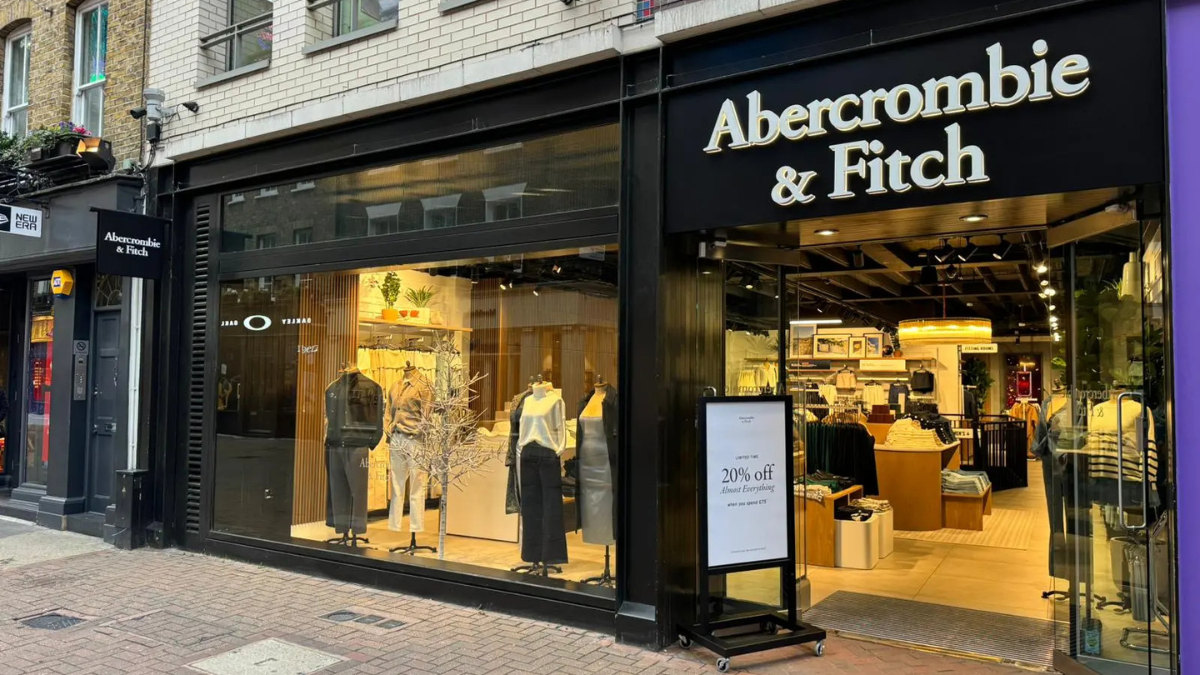
Wall Street delivered another reminder that global events can rapidly reshape market sentiment. Shares of Abercrombie and Fitch, Dollar General, and Monro rallied after oil prices dropped sharply following reports of a ceasefire agreement involving Iran. While geopolitical developments often trigger uncertainty, investors interpreted this latest breakthrough as a positive signal for inflation, consumer spending, and corporate profitability.
According to StockStory, several retail-focused companies experienced notable gains as Brent crude oil prices fell more than 5%. The market's reaction reflected a broader belief that lower energy costs could ease pressure on consumers while simultaneously reducing transportation and logistics expenses for retailers.
Among the most closely watched names was Abercrombie and Fitch, whose shares climbed over 3% during the session. The move highlighted how sensitive consumer-focused companies remain to changes in economic expectations, particularly when inflation and discretionary spending are involved.
Why Abercrombie and Fitch Benefited From Falling Oil Prices
The connection between oil prices and retail stocks may not appear obvious at first glance. However, for companies such as Abercrombie and Fitch, lower energy costs create several potential advantages.
Consumers spend less money on fuel when oil prices decline. That additional disposable income can then be redirected toward apparel, dining, entertainment, and other discretionary purchases. For fashion retailers, even modest improvements in consumer confidence can have meaningful effects on sales performance.
At the same time, falling oil prices reduce transportation expenses throughout the supply chain. Retailers rely heavily on shipping networks, distribution centers, and freight providers to move products from manufacturers to stores and customers.
According to StockStory, every dollar saved at the pump potentially frees up spending power for consumers while simultaneously easing logistics costs for retailers.
This dual benefit explains why investors quickly rotated into retail names following news of the Iran ceasefire agreement.
For Abercrombie and Fitch, which operates a global apparel business, lower freight expenses could help preserve profit margins while creating a more favorable shopping environment for consumers.
The Market's Shift From Fear to Optimism
Only days earlier, markets were reacting to escalating tensions in the Middle East. Investors feared disruptions to oil supplies and potential inflationary pressure resulting from instability around key energy shipping routes.
Those concerns intensified after comments from U.S. President Donald Trump suggested the possibility of military action against Iran. Markets sold off sharply, reflecting fears that a wider conflict could threaten global economic stability.
However, sentiment changed dramatically when Trump later announced that planned military action had been canceled and that negotiations had advanced toward a potential peace agreement.
The immediate response was significant:
- Oil prices fell sharply.
- Treasury yields declined.
- Major stock indexes rallied.
- Consumer-focused sectors outperformed.
- Retail stocks attracted fresh buying interest.
Companies such as Abercrombie and Fitch became natural beneficiaries because investors began anticipating stronger consumer spending conditions.
Abercrombie and Fitch Remains a Volatile Retail Stock
Although the recent rally was encouraging for shareholders, Abercrombie and Fitch remains one of the more volatile names within the retail sector.
According to StockStory, the stock experienced 27 separate moves greater than 5% during the past year. Such volatility reflects both investor enthusiasm and uncertainty surrounding the company's future growth trajectory.
Retail apparel companies often face unique challenges. Fashion trends can change quickly, consumer preferences evolve constantly, and economic conditions heavily influence purchasing behavior.
Despite these risks, Abercrombie and Fitch has undergone a remarkable transformation over the past several years. Once viewed as a struggling mall-based retailer, the company successfully repositioned its brand to appeal to a broader customer base.
This strategic evolution has helped improve sales performance and investor confidence, even though the stock continues to experience significant swings.
Consumer Spending Remains the Key Driver
The long-term outlook for Abercrombie and Fitch ultimately depends on consumer spending trends.
Retail businesses thrive when shoppers feel financially secure. Lower gasoline prices, easing inflation pressures, and stable employment conditions can all contribute to stronger demand for discretionary products.
Fashion purchases are often among the first expenses consumers reduce when economic uncertainty increases. Conversely, when household budgets improve, apparel spending frequently rebounds.
The recent decline in energy prices therefore carries significance beyond the oil market itself.
Investors buying Abercrombie and Fitch appear to be making a broader economic bet. They are effectively wagering that lower inflation pressures will support consumer confidence and help sustain retail spending over the coming quarters.
Whether that optimism proves justified remains to be seen, but the market clearly welcomed the possibility.
Dollar General and Monro Join the Rally
While Abercrombie and Fitch attracted considerable attention, it was not the only company benefiting from the shift in sentiment.
Discount retailer Dollar General also posted solid gains. The company stands to benefit from a healthier consumer environment while maintaining its reputation as a value-focused shopping destination.
Meanwhile, automotive services provider Monro advanced as investors assessed the broader implications of lower energy costs and improving economic expectations.
The simultaneous rise across these diverse retail businesses suggests investors were responding less to company-specific news and more to changing macroeconomic conditions.
In this environment, Abercrombie and Fitch served as one of the clearest examples of how quickly investor sentiment can shift when external risks begin to ease.
The Federal Reserve Angle
Another reason investors responded positively involves expectations surrounding monetary policy.
Oil prices play a significant role in inflation calculations. When energy costs rise, inflation often follows. Higher inflation can pressure central banks to maintain restrictive interest-rate policies.
By contrast, falling oil prices may reduce inflationary pressure.
The market interpreted the decline in crude prices as potentially lowering the likelihood of future interest-rate hikes.
This matters greatly for growth-oriented consumer stocks, including Abercrombie and Fitch.
Lower interest rates generally support consumer spending, reduce financing costs, and improve equity valuations. Even the possibility of a more favorable monetary environment can encourage investors to take on additional risk.
As a result, the combination of lower oil prices and easing geopolitical tensions created a powerful tailwind for retail equities.
Abercrombie and Fitch's Long-Term Performance Story
Despite recent market fluctuations, Abercrombie and Fitch has delivered impressive long-term returns.
According to StockStory, investors who purchased $1,000 worth of shares five years ago would now have an investment worth more than $2,100.
That performance reflects the company's successful turnaround strategy and its ability to adapt to changing consumer preferences.
Management invested heavily in digital commerce, improved merchandise selection, and a broader brand identity that resonates with modern shoppers.
These initiatives helped transform Abercrombie and Fitch from a struggling legacy retailer into a company capable of competing effectively in a rapidly evolving retail landscape.
However, the stock remains approximately 25% lower year-to-date and trades well below its recent highs, illustrating the challenges that still exist.
Can Abercrombie and Fitch Sustain the Momentum?
The key question for investors is whether Abercrombie and Fitch can sustain its recent momentum.
Several factors will influence the answer:
- Consumer spending trends.
- Inflation developments.
- Energy price stability.
- Inventory management.
- Competitive pressures within apparel retail.
- Broader economic growth.
If lower oil prices continue supporting household budgets, retailers may enjoy stronger demand heading into major shopping seasons.
On the other hand, any renewed geopolitical tensions could reverse recent gains and reintroduce inflation concerns.
For Abercrombie and Fitch, maintaining operational discipline while continuing to strengthen its brand will be essential.
What Investors Should Watch Next
The market's reaction to the Iran ceasefire highlights the growing influence of macroeconomic events on individual stocks.
Investors following Abercrombie and Fitch should monitor several developments in the coming weeks:
- Oil price movements.
- Inflation data releases.
- Federal Reserve policy signals.
- Consumer confidence reports.
- Retail sales data.
- Company earnings updates.
Each of these factors could significantly influence how investors evaluate retail companies moving forward.
According to StockStory, the latest rally reflects optimism rather than a fundamental change in business conditions. That distinction is important because sentiment can shift quickly if economic conditions deteriorate.
Conclusion
The recent surge in retail stocks demonstrates how interconnected financial markets have become. A diplomatic breakthrough thousands of miles away triggered a sharp decline in oil prices, which in turn improved investor sentiment toward consumer-focused companies.
Among the biggest beneficiaries was Abercrombie and Fitch, whose shares gained as investors anticipated stronger consumer spending and reduced cost pressures.
While challenges remain, the reaction underscores the company's position as a closely watched retail name that often serves as a barometer for broader consumer confidence.
According to StockStory, lower oil prices, easing inflation concerns, and improving economic expectations helped drive the latest move. Whether that optimism evolves into a sustained trend will depend on future economic data, geopolitical stability, and the ability of companies like Abercrombie and Fitch to continue executing their long-term growth strategies.