



NuScale Power vs Oklo: Nuclear Bet
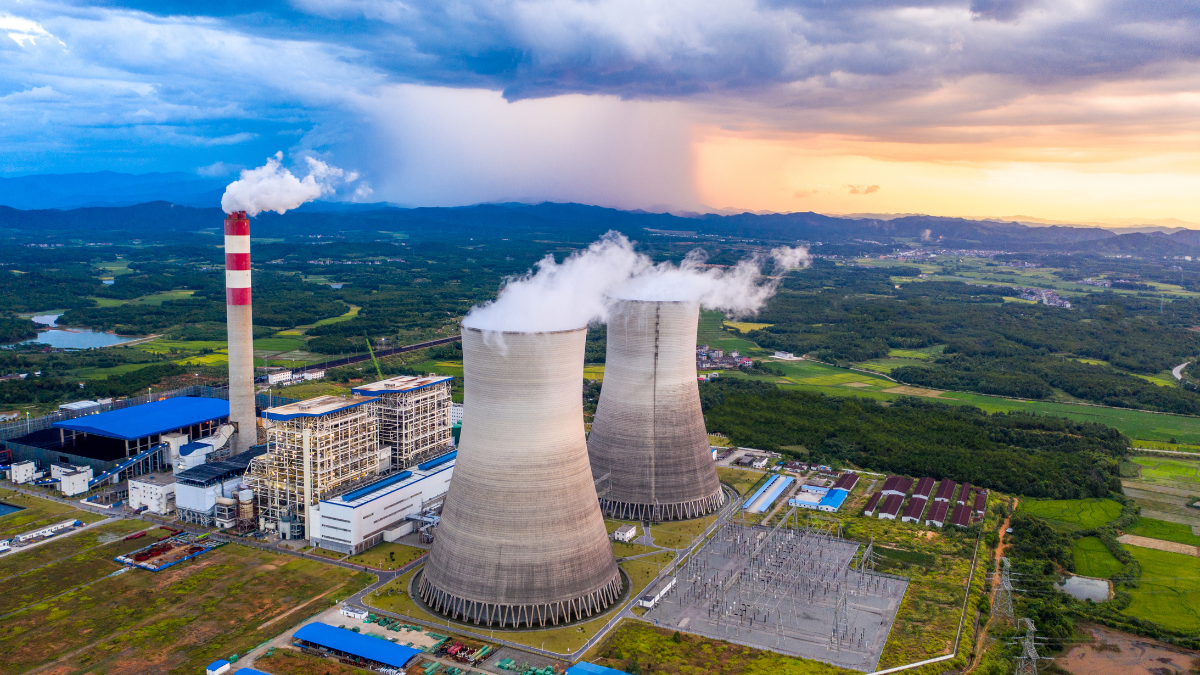
A New Nuclear Narrative
The global energy conversation is undergoing a profound transformation, and at the center of it sits an unlikely protagonist: nuclear power. For decades, nuclear energy has oscillated between promise and controversy, often sidelined by political resistance and high capital costs. Yet today, driven by artificial intelligence, electrification, and surging data center demand, nuclear is re-emerging as a critical pillar of the future energy mix. According to The Motley Fool, analysts at Bank of America estimate that nuclear energy could evolve into a $10 trillion opportunity in the coming decades. Within this rapidly shifting landscape, companies like NuScale Power and Oklo are attracting investor attention as potential leaders in small modular reactor (SMR) technology.
The question facing investors is no longer whether nuclear energy has a future, but rather which companies are best positioned to capitalize on it. In this context, NuScale Power emerges as a central figure, offering a distinct approach compared to its peers. Understanding how NuScale Power fits into the broader nuclear renaissance is essential for evaluating whether it remains a compelling investment or if alternatives like Oklo present a stronger opportunity.
The Demand Shock: Why Nuclear Is Back
Electricity demand is rising at a pace not seen in decades. The rapid electrification of transportation, industrial expansion, and the exponential growth of artificial intelligence workloads have created unprecedented strain on global power grids. Data centers alone are becoming massive energy consumers, requiring stable, continuous electricity supply.
“Electricity demand is on the rise due to electrification, industrial growth, and AI-driven data centers,” noted Bank of America analysts.
This surge in demand exposes a critical weakness in renewable energy sources such as solar and wind: intermittency. While renewables are essential for decarbonization, they cannot consistently provide baseload power. This is where nuclear energy, and particularly companies like NuScale Power, come into play. Nuclear offers reliable, low-carbon electricity that can operate around the clock, making it uniquely suited to support the next generation of energy consumption.
For investors, the implication is clear: the structural demand tailwinds are real, long-term, and accelerating. As a result, NuScale Power is increasingly viewed not just as a speculative bet, but as a strategic play on global energy infrastructure.
Understanding SMRs: The Technology Behind the Hype
Small modular reactors (SMRs) represent a fundamental shift in how nuclear power is designed, built, and deployed. Unlike traditional nuclear plants—which can take over a decade to construct—SMRs are designed for modular manufacturing and faster deployment. Companies like NuScale Power are pioneering this approach, aiming to reduce costs and improve scalability.
Key advantages of SMRs include:
- Lower upfront costs compared to large-scale nuclear plants
- Enhanced safety features through passive cooling systems
- Modular construction enabling faster deployment
- Smaller physical footprint
- Reduced carbon emissions
Despite these advantages, SMRs are still in the early stages of commercialization. Only a handful of operational units exist globally, highlighting the gap between theoretical promise and practical implementation. This uncertainty directly impacts companies like NuScale Power, whose success depends on scaling this technology efficiently.
NuScale Power: Utility-Scale Vision
One of the defining characteristics of NuScale Power is its focus on integrating SMRs directly into national power grids. Its agreement with the Tennessee Valley Authority to develop a 6 GW system exemplifies this strategy. By targeting large-scale deployments, NuScale Power aims to become a cornerstone of future grid infrastructure.
This approach has several implications:
- It aligns with traditional utility business models
- It provides long-term revenue stability
- It requires significant capital and regulatory approvals
However, this strategy also introduces risks. Large-scale projects are inherently complex, subject to delays, and vulnerable to cost overruns. For NuScale Power, execution will be critical. The company must prove that its technology can be deployed reliably and economically at scale.
Oklo: A Different Bet on Nuclear
While NuScale Power targets utilities, Oklo is taking a more focused approach by catering directly to data centers and cloud computing companies. This strategy reflects a deep understanding of where energy demand is growing fastest: artificial intelligence infrastructure.
Oklo’s agreement with Meta Platforms to supply 1.2 GW of power for AI data centers highlights its niche positioning. Unlike NuScale Power, which seeks to serve broad grid demand, Oklo is aligning itself with a specific, high-growth customer segment.
This divergence creates a clear contrast:
- NuScale Power: Broad, utility-scale deployment
- Oklo: Targeted, AI-driven energy solutions
Each approach carries unique risks and opportunities. While Oklo may benefit from faster adoption cycles, NuScale Power offers potentially larger and more stable long-term returns if its projects succeed.
Competitive Landscape: More Than Just Two Players
Investors often frame the discussion as a binary choice between NuScale Power and Oklo. However, this oversimplifies the competitive landscape. According to the Nuclear Energy Agency, over 120 SMR designs are currently in development worldwide.
Many of these projects are backed by large industrial conglomerates with significantly greater financial resources than NuScale Power. This raises important questions about competitive advantage:
- Can NuScale Power maintain technological leadership?
- Will larger players outcompete smaller innovators?
- How quickly will regulatory approvals shape the market?
The answers to these questions will determine whether NuScale Power can secure a meaningful share of the emerging SMR market.
Risk Factors: The Reality Behind the Opportunity
Despite the optimistic outlook, investing in nuclear energy—and specifically in NuScale Power—is not without risks. These include:
- Regulatory uncertainty
- High capital requirements
- Long development timelines
- Technological execution risks
Additionally, the fact that SMRs have yet to achieve widespread commercial adoption introduces a layer of uncertainty. For NuScale Power, success depends not only on technology but also on policy support, financing, and market acceptance.
Investors must weigh these risks carefully. While the upside potential is significant, the path to profitability may be long and uneven.
Investment Strategy: Diversification vs Conviction
One of the key takeaways from The Motley Fool analysis is that investors may not need to choose between NuScale Power and Oklo. Instead, a diversified approach could provide exposure to multiple growth pathways within the nuclear sector.
“Even if just one is successful, the realized growth should be enough to compensate for the other’s failure.”
This perspective highlights an important principle: early-stage industries often produce multiple winners, but also significant failures. By investing in both NuScale Power and its peers, investors can balance risk while maintaining exposure to the sector’s upside.
A Calculated Bet on the Future
The resurgence of nuclear energy represents one of the most compelling investment narratives of the next decade. As electricity demand surges and decarbonization becomes a global priority, nuclear power is reclaiming its position as a critical energy source.
Within this context, NuScale Power stands out as a key player, offering a scalable solution to one of the world’s most pressing challenges. While competition is intense and risks remain, the company’s focus on utility-scale deployment provides a clear strategic direction.
Ultimately, the decision to invest in NuScale Power should be guided by a long-term perspective. The nuclear renaissance will not happen overnight, but for those willing to navigate the uncertainties, it may offer substantial rewards.
As the energy transition accelerates, one thing is certain: companies like NuScale Power will play a pivotal role in shaping the future of global power systems.