



Wall Street Slips, but Asian Markets Find Footing
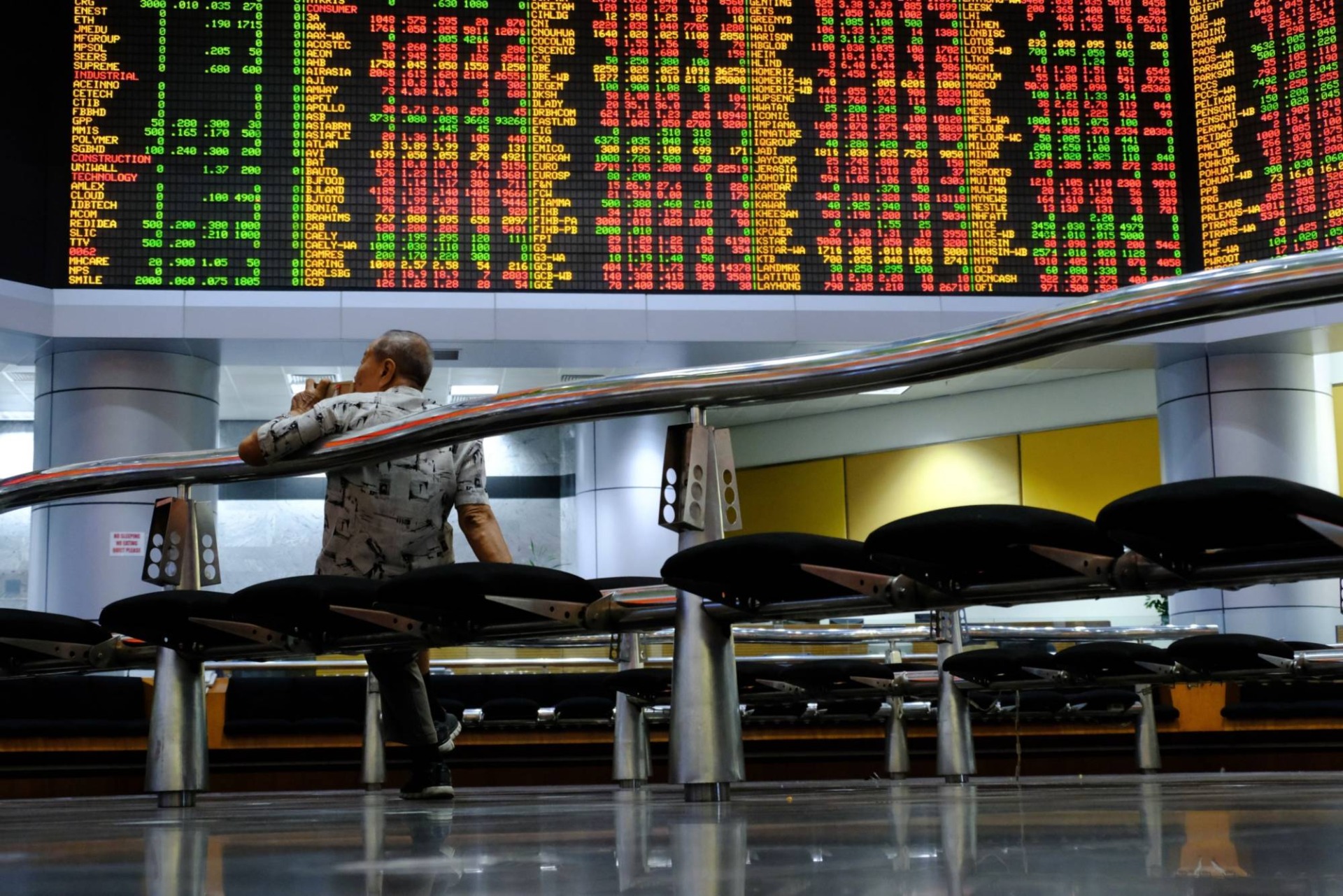
Image Credit: The Japan Times
Asian equities showed resilience on Friday, diverging from the gloom on Wall Street that led to a fifth consecutive decline in US stocks. Markets in Australia, South Korea, and Hong Kong posted gains, along with US equity futures, following Thursday’s drop in the S&P 500 and Nasdaq 100. Japanese markets were closed for a holiday.
Chinese stocks remained volatile, reflecting investor caution after the weakest start to a year since 2016, as challenges for the world’s second-largest economy lingered.
Friday’s gains hint at a possible shift in sentiment after a week-long US equity selloff. Investors are gearing up for new asset-allocation strategies as they navigate a challenging start to 2025. Meanwhile, the US dollar, a popular safe haven, hit a fresh two-year high on Thursday but softened early Friday. The yen strengthened after a three-day losing streak against the greenback.
US President-elect Donald Trump’s tariff-focused policies are inherently inflationary, said Jung In Yun, CEO of Fibonacci Asset Management Global, in a Bloomberg Television interview. “Sticky inflation and its refusal to decline could result in mid-level interest rates persisting longer than expected,” he added.
Despite modest gains in Treasuries on Thursday, the benchmark 10-year yield remained nearly 20 basis points above levels seen before Federal Reserve Chair Jerome Powell's hawkish stance at the Dec. 18 meeting. Powell's remarks have stirred volatility across asset classes as the Fed signaled reduced enthusiasm for interest-rate cuts.
Economic data on Thursday further dampened prospects for rate cuts, with US unemployment claims falling to an eight-month low, reflecting a resilient labor market.
US stock losses were exacerbated by disappointing results from Tesla Inc., which reported fourth-quarter deliveries below expectations and its first annual sales decline in over a decade. Tesla shares have plunged 18% since Christmas.
Meanwhile, a global index of emerging-market stocks fell to its lowest point since September, nearing a 10% drop from its early October high.
Lisa Shalett of Morgan Stanley Wealth Management described 2025 as a "show-me year" for corporate earnings, noting that the dominance of major tech stocks, often referred to as the "Magnificent Seven," may falter. While she acknowledged the recent slide in US stocks, Shalett cautioned against interpreting it as a negative sign for the year.
US equities are struggling to break a losing streak that has dimmed the S&P 500’s remarkable two-year rally — a more than 50% surge since early 2023, fueled by enthusiasm for artificial intelligence and gains in tech megacaps. Investors are also closely monitoring Friday’s US House Speaker vote, as Republican infighting over Mike Johnson’s reelection could impact President-elect Trump’s agenda, according to Tom Essaye of the Sevens Report.
In commodities, oil prices extended their rally into a fifth day following an industry report signaling continued declines in US crude inventories. Gold remained steady after two consecutive sessions of gains, having recorded its largest annual increase since 2010 last year. Bitcoin, however, declined for the first time in four days.
Trading in Treasuries was closed in Asia due to the Japanese holiday.
Paraphrasing text from "Bloomberg" all rights reserved by the original author