



U.S. Crude Exports Reshape Global Energy Markets
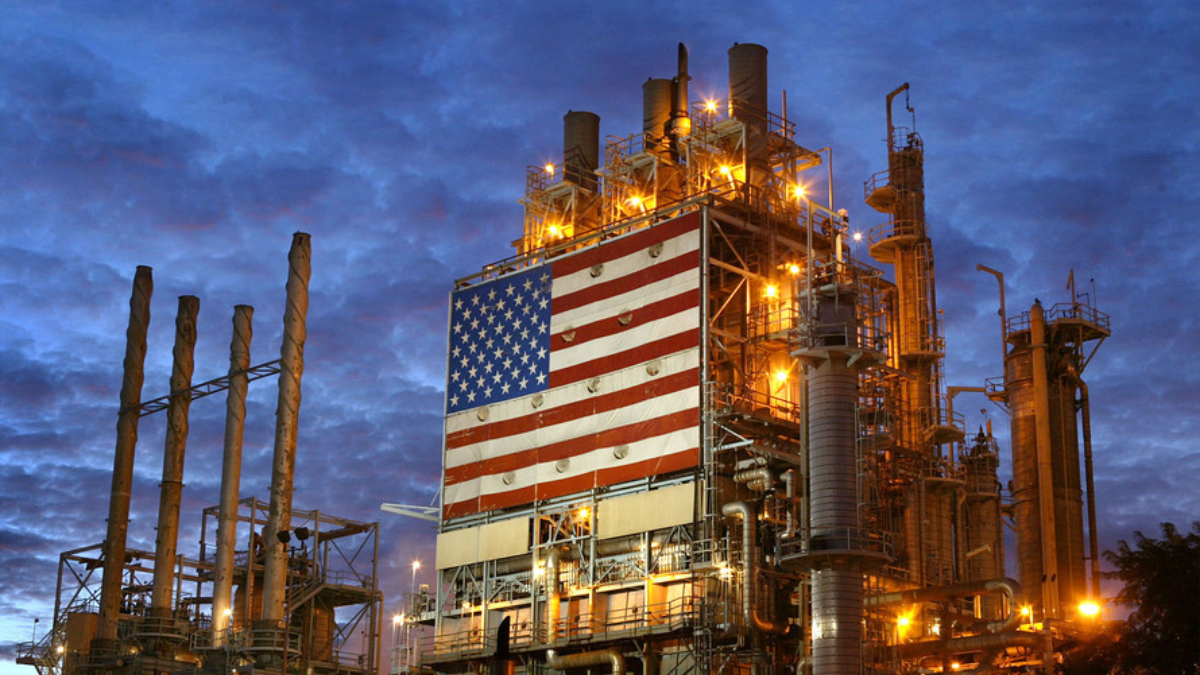
U.S. Crude Becomes the World’s Emergency Supply Engine
The global oil market has entered another volatile chapter, and this time the center of attention is U.S. Crude. Rising geopolitical tensions in the Middle East, uncertainty surrounding the Strait of Hormuz, and aggressive releases from the Strategic Petroleum Reserve have dramatically changed the structure of global energy flows. According to Oilprice.com, the United States recently pushed crude and petroleum exports to record levels approaching 12.9 million barrels per day, an extraordinary figure that highlights America’s growing role as the world’s emergency energy supplier.
The scale of the recent export surge reflects more than short-term market opportunism. It demonstrates how deeply integrated U.S. Crude has become within the global energy system. Nations across Europe and Asia are actively seeking alternatives to Middle Eastern oil supplies amid fears that disruptions near the Strait of Hormuz could escalate into a wider supply crisis. American crude has emerged as the preferred replacement because it offers relative political stability, reliable logistics, and large-scale production capacity.
Oil traders remain highly sensitive to headlines involving Iran and the United States. Every diplomatic statement, military development, or shipping disruption immediately affects oil pricing. Brent crude recently pulled back sharply after optimism emerged regarding potential stabilization in the Persian Gulf. Yet analysts continue warning that underlying risks remain elevated. Even temporary calm can quickly reverse if tensions intensify again.
For now, U.S. Crude continues functioning as the stabilizing force preventing a larger global supply shock. Without massive export growth from the United States, energy markets could look substantially tighter and far more expensive than they already are today.
How SPR Releases Accelerated U.S. Crude Exports
The recent boom in U.S. Crude exports would not have been possible without unprecedented releases from the Strategic Petroleum Reserve. Originally designed as an emergency backup system for domestic supply disruptions, the SPR has effectively transformed into a global balancing tool during the latest geopolitical crisis.
Washington committed to releasing approximately 172 million barrels on a loan basis in an effort to offset potential shortages caused by instability around the Strait of Hormuz. Weekly releases at times approached 10 million barrels, creating a flood of additional supply entering international markets.
According to data cited by Oilprice.com and Kpler, a surprisingly large portion of those emergency barrels did not remain inside the United States. Nearly half of the released crude was reportedly exported directly overseas rather than refined domestically. European and Asian buyers aggressively purchased these barrels as they attempted to reduce dependence on Middle Eastern supply chains.
This shift carries major implications for the future of global energy markets. It confirms that U.S. Crude is no longer viewed merely as a domestic resource. Instead, American oil production now serves as a strategic international supply mechanism capable of influencing prices, trade routes, and geopolitical stability.
“The United States has effectively become the world’s supplier of last resort during periods of severe geopolitical disruption.”
The transformation has happened remarkably quickly. A decade ago, the United States was still heavily associated with oil imports. Today, record export volumes demonstrate how the shale revolution permanently altered America’s position in global energy markets.
The Strait of Hormuz Still Controls Market Psychology
Although recent oil price declines created temporary relief for consumers and policymakers, markets remain deeply focused on the Strait of Hormuz. The narrow waterway continues to represent one of the world’s most important energy chokepoints.
Nearly one-fifth of global oil trade moves through Hormuz, making any threat to shipping activity immediately significant for global pricing. Even rumors of military escalation or tanker disruption can trigger sharp moves in crude futures markets.
This reality explains why U.S. Crude exports have become increasingly valuable to global buyers. European refiners and Asian importers want reliable alternatives in case maritime conditions deteriorate further. American barrels provide supply diversification at a time when geopolitical uncertainty remains unusually high.
Iran continues viewing Hormuz as one of its most important strategic leverage points. Analysts believe Tehran is unlikely to completely surrender that influence because the threat itself provides negotiating power during diplomatic confrontations with Washington and its allies.
As a result, oil traders continue pricing in a geopolitical risk premium even during periods of temporary calm. Brent crude remains particularly sensitive because it reflects international seaborne supply conditions. WTI behaves somewhat differently because it is more directly linked to domestic American supply dynamics.
That distinction has become increasingly important in recent weeks. Military developments involving Iranian targets pushed Brent prices higher due to fears surrounding tanker traffic and insurance costs. Meanwhile, WTI often reacted more cautiously because traders simultaneously expected potential government intervention through additional SPR releases or possible export controls.
The relationship between Brent and WTI now highlights the growing global importance of U.S. Crude. American production increasingly connects domestic supply fundamentals with international geopolitical risk.
Inventory Drawdowns Create New Risks
While aggressive exports helped stabilize markets in the short term, the strategy has also generated serious concerns regarding America’s long-term energy security position.
Strategic reserves are shrinking rapidly. According to recent figures, SPR holdings have fallen to roughly 365 million barrels, one of the lowest levels seen in years. Commercial crude inventories are also tightening as exports continue climbing.
Recent inventory data revealed:
- U.S. crude inventories fell by nearly 8 million barrels in one week.
- Total commercial inventories dropped below the five-year average.
- Gasoline supplies approached six-month lows.
- Distillate inventories tightened considerably.
These figures are increasingly drawing attention from policymakers and analysts. The concern is straightforward: continued large-scale exports of U.S. Crude may reduce America’s emergency buffer capacity if another major supply disruption emerges.
Critics argue that Washington may eventually need to slow exports to protect domestic consumers from rising fuel costs. Supporters counter that stabilizing global energy markets ultimately benefits the American economy by preventing even larger international price spikes.
The debate reflects a broader question about America’s evolving role in global energy markets. Should the United States prioritize domestic inventory protection, or continue using U.S. Crude exports as a geopolitical stabilizer?
Could the United States Restrict U.S. Crude Exports?
The idea of restricting U.S. Crude exports once seemed politically unrealistic. However, tightening inventories and growing domestic concerns are forcing the topic back into policy discussions.
Before 2015, the United States maintained broad restrictions on crude oil exports for decades. Those rules were eventually removed as shale production surged and domestic supply expanded beyond local refining capacity.
Today’s market environment looks very different. Exports are now tied not only to commercial profitability but also to international diplomacy and global energy security. Limiting exports could therefore carry substantial consequences beyond domestic fuel prices.
If Washington imposed export restrictions, several major impacts could follow:
- European buyers could face severe supply shortages.
- Asian refiners might return aggressively to Middle Eastern suppliers.
- Global oil benchmarks could spike sharply higher.
- American geopolitical influence could weaken.
At the same time, maintaining current export levels may continue draining strategic reserves at an uncomfortable pace. Policymakers therefore face a difficult balancing act.
Every additional cargo of U.S. Crude shipped overseas helps calm global markets today, but potentially reduces future domestic flexibility if another emergency emerges.